
When it comes to equal pay, individual choices matter
Once again, the American Association of University Women is promoting Equal Pay Day, which supposedly marks how far into the next year women must work to make the same as men did the previous year. In 2026, Equal Pay Day falls on March 26 and is the day “used to raise awareness around and combat the impact of pay inequities.”
Women made up 44% of U.S. full-time year-round workers in 2024 and their median earnings were 83% of those of men, according to the United States Census Bureau. The median earnings comparison is unchanged from 2023. Those shouting about this statistic use it to argue that women only make 83 cents for every dollar a man makes doing the same job. Under their lead, the conversation often focuses on discrimination and structural barriers in the workplace.
What’s missing from the conversation is the choices individuals make that are best for themselves and their families.
The statistic used on Equal Pay Day doesn’t take into account, for example, a lot of labor choices, such as hours worked, commute times, and fields of work.
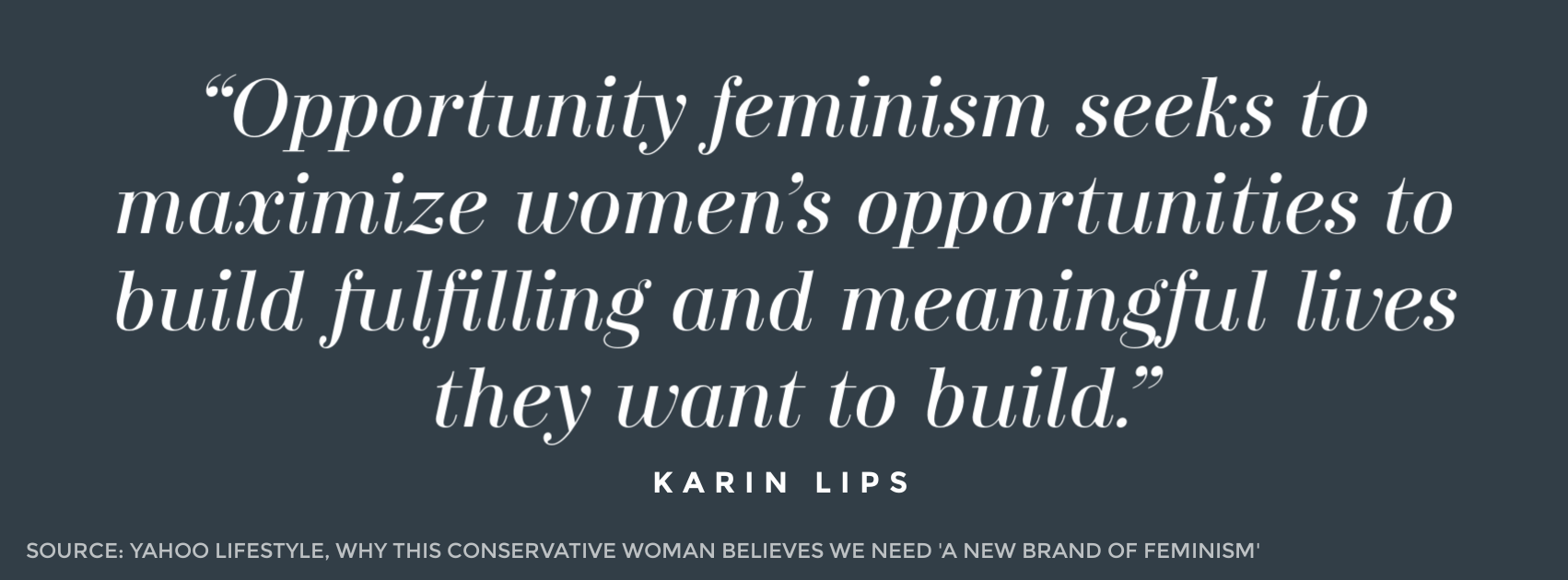
For college students, Equal Pay Day and the related discussions throughout the month are a good reminder that they should strategically think about what they want their career to look like after graduation and what they want to maximize—for some that is earnings, for others it is not.
If a student’s goal is to maximize earnings, a college major can play a significant role as some majors consistently lead to higher earnings. Students who choose fields such as engineering generally earn more than those who choose a major like Women’s Studies. A study from the New York Federal Reserve found that 80% of the top 10 college majors with the highest incomes five years after graduation are engineering degrees. Men are much more likely to earn engineering degrees, while women dominate Women’s Studies degrees. Differences in fields of study are a factor that helps explain the Census Bureau data.
This doesn’t mean students should only choose majors based on earning potential. Interest, talent, and other factors matter. But it does mean that career earnings outcomes can be heavily influenced by the choices students make in college. A Women’s Studies major might be trained to see structural barriers, but that doesn’t mean she should claim one just because a male counterpart who chose a technical major like engineering earns more.
This month, leaders of women’s organizations should focus less on meddling in workplace compensation and more on ensuring young women are aware of how their choices influence their earning potential down the road. This would help young women more than a focus on national workplace regulations.
Young women would benefit from a better understanding of how the decisions they make earlier in life matter and contribute to the wage gap narrative.
For college students, especially young women, it’s worth digging into the data and gaining a clear picture as to how different majors translate into career opportunities and earning potential.
The choices young women make in college don’t determine everything, but they can influence the opportunities and earning potential that come after graduation.
Karin A. Lips is the president of the Network of Enlightened Women as well as a senior fellow with Independent Women’s Forum.
This piece was originally published by Campus Reform.